I'm a data scientist and machine learning engineer who thrives at the intersection of innovative research and practical application.
These days I'm focused on clinical informatics and healthcare data, trustworthy and fair AI, LLM/RAG systems, ranking & retrieval, and rigorous experimentation. This space is where I share in-depth tutorials from the courses I've taught, along with my research and career.
For the things I build, visit Haske Labs, my applied AI research lab.
Hello! I'm Ronald Doku. My life has been guided by a deep love of technology and the belief that it can transform our world for the better. This platform is where I share my ideas, projects, and sparks of inspiration, all centered on using technology to make a meaningful impact.
I'm proud to share that I became the first person at Howard University to earn a bachelor's, master's, and Ph.D. in Computer Science. When the Ph.D. program launched in 2015, I was in the midst of my master's degree. After completing it, I took a one-year co-op to gain industry experience. Upon returning, I had the unique opportunity to make history as the department’s first triple-degree graduate. With many of my graduate-level courses already completed from my the master's program, I was able to focus heavily on research and accelerate my progress, completing the Ph.D. between 2017 and 2020. Outside of academia and work, I'm a lifelong soccer fan and captain of a recreational league team called AfroBeatz. Off the field, you'll often find me writing short stories, playing FIFA, or getting lost in a great book.
Family is at the heart of who I am: my wife, my mother, and my two sisters are a constant source of love and support. Their encouragement fuels my drive.
Below, you'll find a timeline of my journey in technology. Thank you for stopping by—I hope you'll join me in exploring the limitless potential of innovation, creativity, and collaboration!
Oct 2026 - Present
Aug 2025 - Aug 2026
Oct 2024 - Present
Oct 2024 - May 2025
Aug 2020 - Jul 2024
Jun 2018 - Aug 2018
Aug 2017 - May 2020
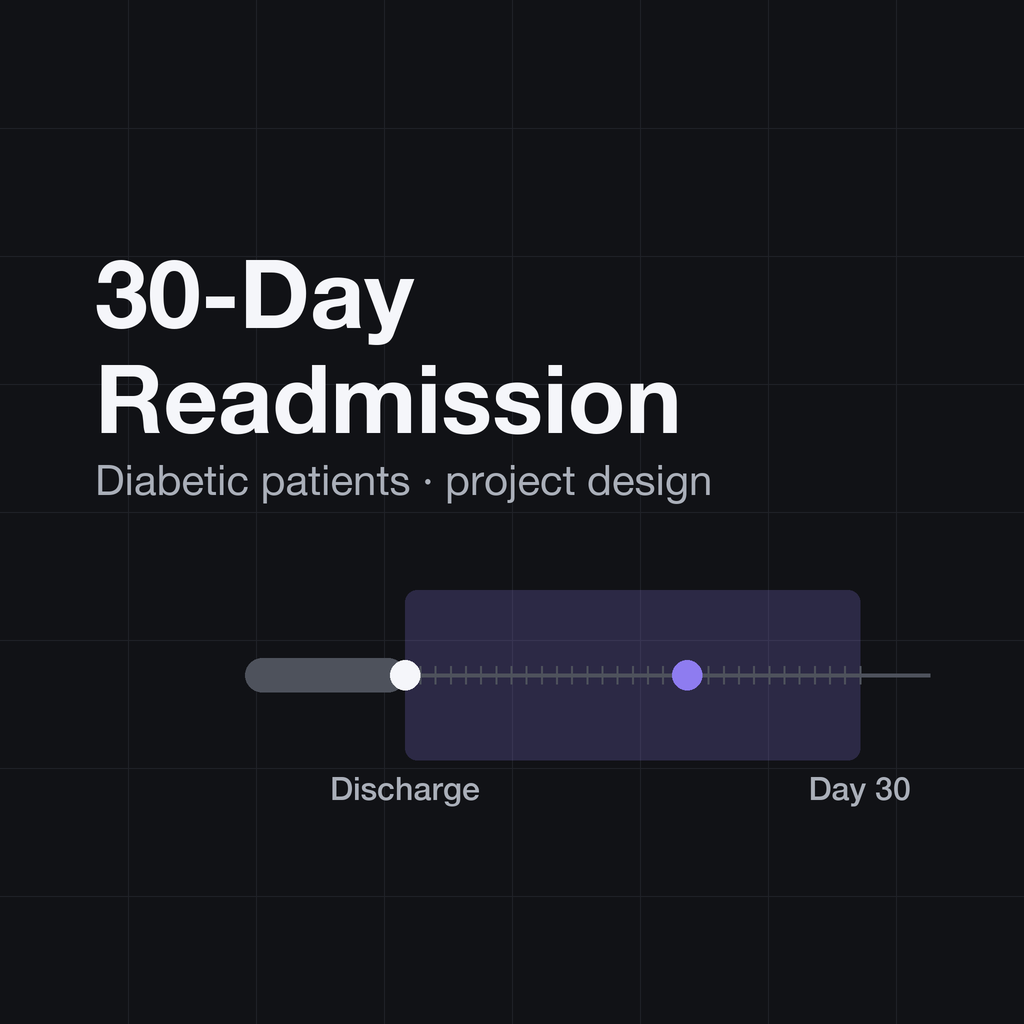
The design of a hands-on biomedical data science project, built for the RCMI Summer Data Science Research Training program: predicting whether a diabetic patient will be readmitted within 30 days, ...
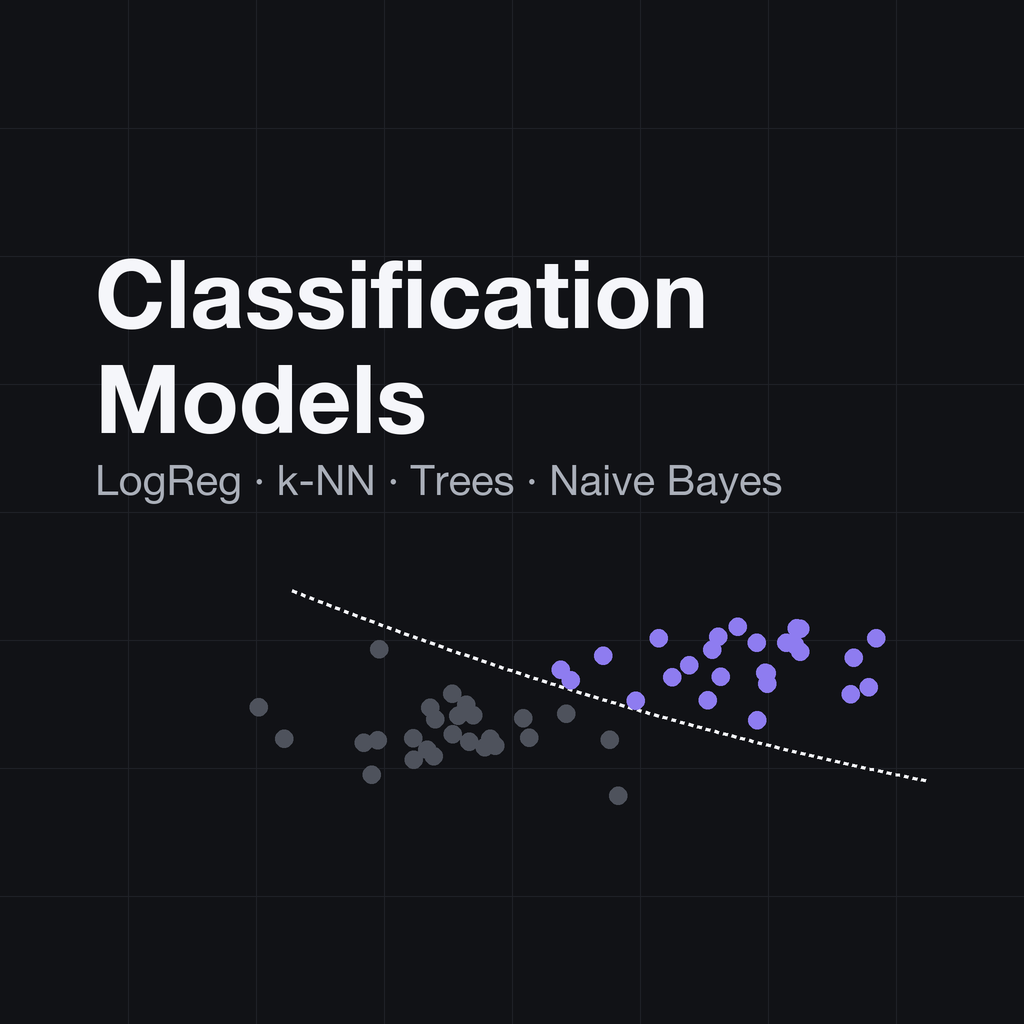
A hands-on comparison of four classic classifiers on the Breast Cancer Wisconsin dataset using scikit-learn. It covers preprocessing, train/test splits, how each model draws its decision boundary, ...
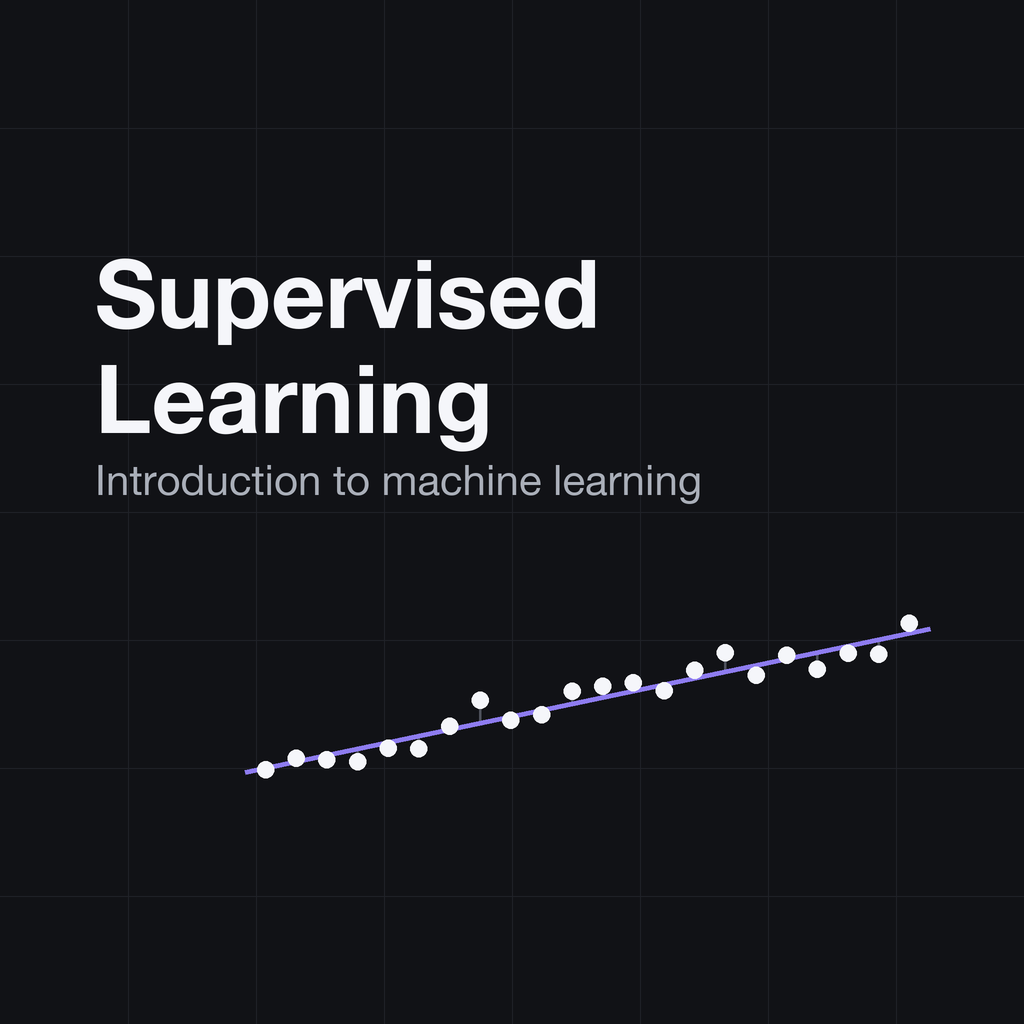
A first look at machine learning that treats data as geometry: how real-world things become vectors, classification versus regression, how linear regression learns a mapping by minimizing squared e...
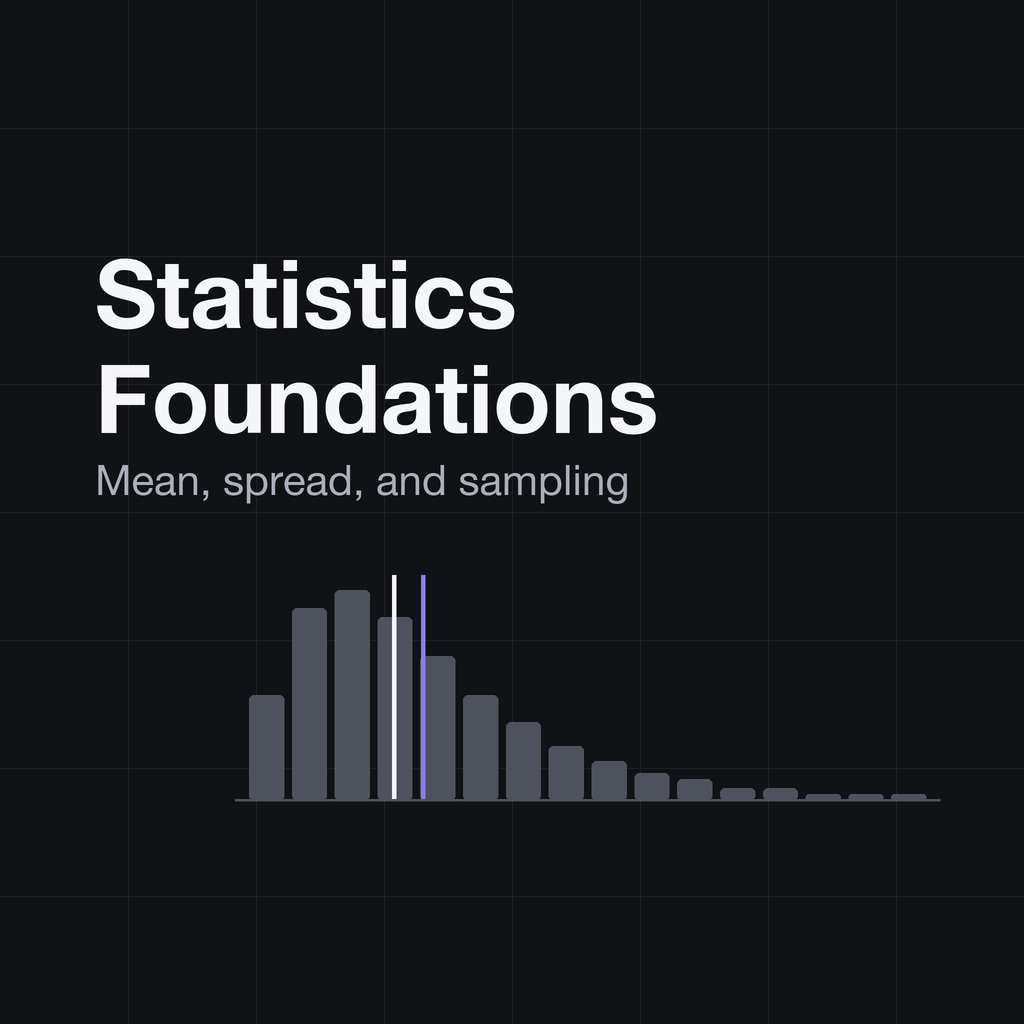
A beginner-friendly tour of the statistics behind data science and A/B testing: central tendency, spread, sampling and standard error, the Central Limit Theorem, hypothesis testing with z-scores, p...
A practical walkthrough of the statistics behind A/B testing, framed around public health interventions and the CDC's Behavioral Risk Factor Surveillance System (BRFSS). It covers sampling, spread,...
Part 5 of the product analytics series: an eight-step framework for balancing competing metrics like speed and conversion, from objectives with a floor and baselines to regression, multi-variant A/...
Laboratory-data provenance, ML benchmark integrity, and decision-threshold reliability with All of Us, MIMIC-IV, and NHANES
Bias correction with performance guardrails (GBP-Audit) and constrained, fairness-aware ranking (governed-rank)
When ranked decision systems should abstain (Confidence Gate Theorem), confidence-gated routing, and graph-based retrieval
Doctoral and earlier work on big-data security, decentralized data sharing, and federated learning
An AI bias-correction framework using geometric analysis, statistical testing, and performance guardrails, reducing measured disparity by up to 73% without meaningful accuracy loss in successful offline corrections. Presented as an invited talk.
Asks when ranked decision systems should abstain rather than act — the question behind my work on confidence-gated ranking and clinical workflow routing.
Novel approach for identifying and mitigating data poisoning attacks in edge computing environments using federated learning techniques.
This paper proposes iFLBC edge, a framework combining blockchain and federated learning to address data quality issues in AI applications. Using a mechanism called Proof of Common Interest (PoCI), the system identifies relevant data from diverse sources, trains local models that are then aggregated and stored on blockchain. This approach enables network members to provide AI services at the edge, enhancing privacy and reducing latency while making intelligence more accessible to end-users.
Where I build. Haske Labs is my independent applied AI research lab: trustworthy ranking, abstention, and clinical AI, released as papers and open-source tools.
Open-source Python library for constrained ranking. Improved adverse-impact ratio from 0.77 to 0.92 on an offline COMPAS benchmark with accuracy guardrails. Provisional patent filed.
AI bias-correction framework using geometric analysis, statistical testing, and performance guardrails. Reduced measured disparity by up to 73% without meaningful accuracy loss. IEEE CogMI 2025.
When should ranked decision systems abstain? Theory and practice of confidence-gating, including clinical workflow routing where 38.3% of 10,000 retrospective MIMIC-IV encounters met simulated automation criteria.
Privacy-preserving ad and recommendation research: session-level intent, confidence-gating, and policy-aware ranking without persistent user identifiers, evaluated across three public datasets.
Have a question or want to collaborate? I'd love to hear from you.